Foraging February
Where I went in February

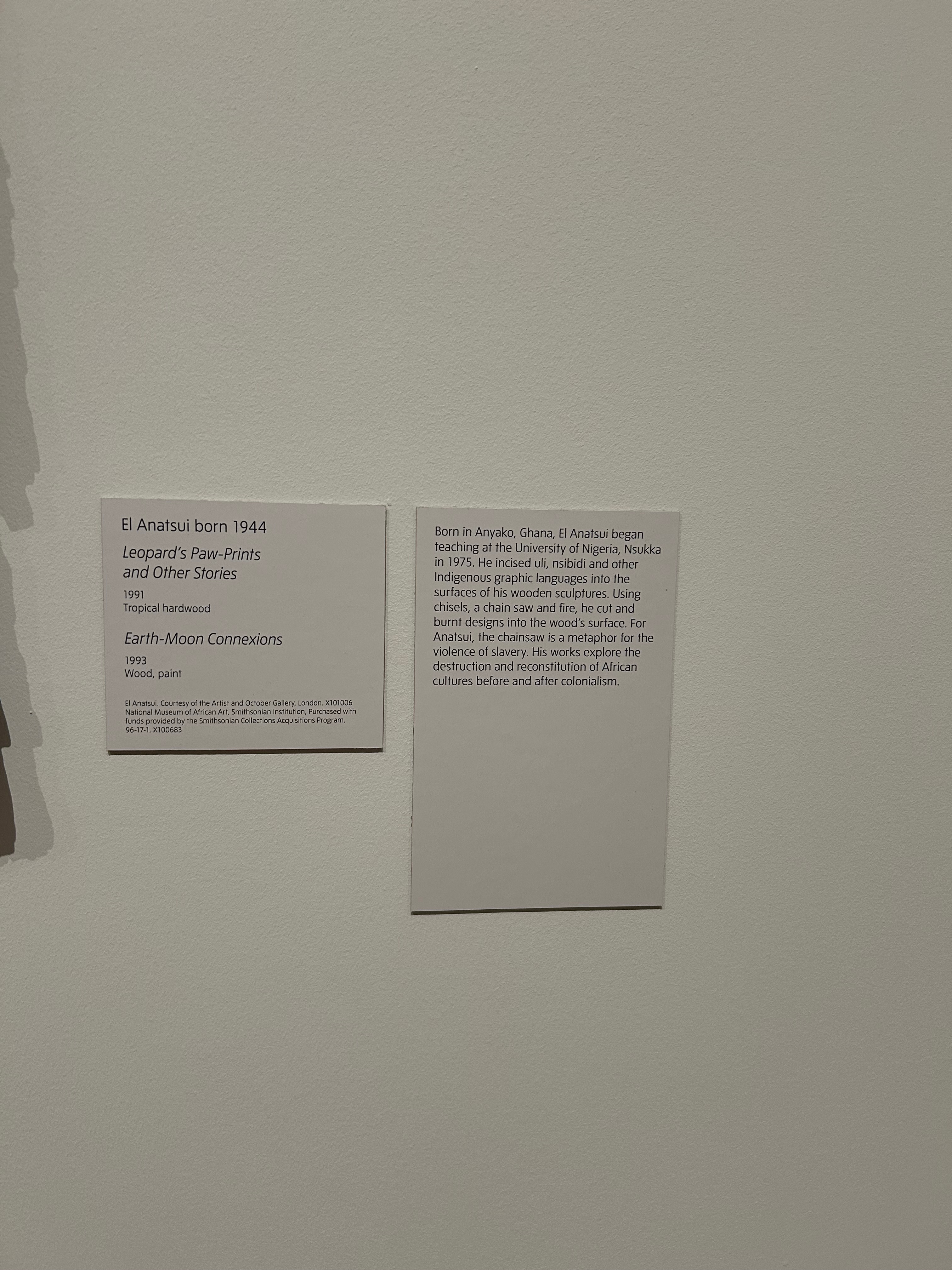
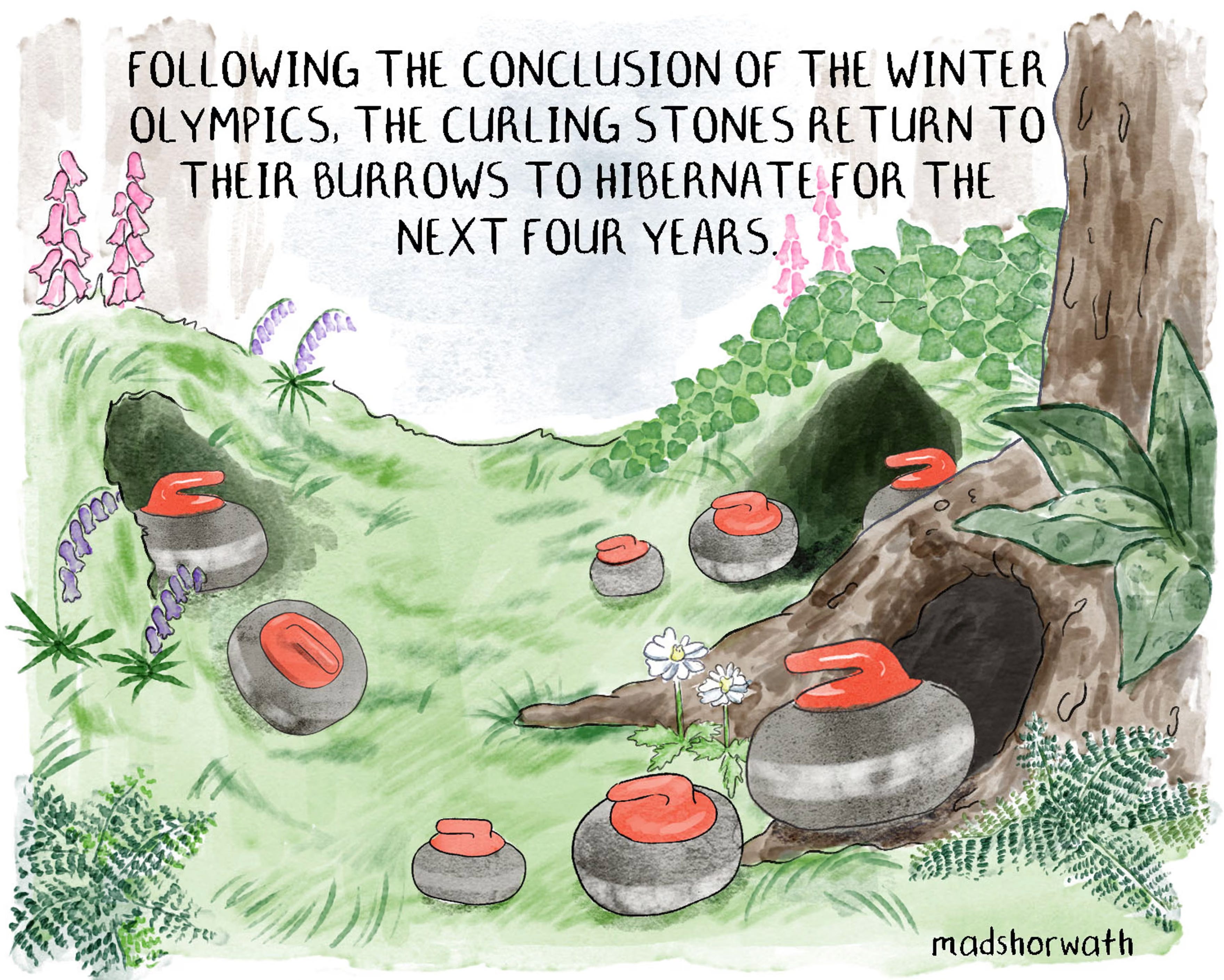
Fallow, February was. Mainly because I had to dedicate a lot of time to reminding myself of the rules of curling. But now that is over….
I only managed four books, although I realised after the event that three were connected:
Helm, by Sarah Hall is, as the Guardian review says, ‘a mighty epic of climate change in slow motion’. It was both gripping and hard to stay with. Having the lead character as an unpredictable wind reminded me of water as one of the central characters in Elif Shafak’s There are Rivers in the Sky Also in the way time spiral, meanderered and jumped between timelines:
Grandma says time is a sentinel tree, marked with invisible ring inside, its straggling branches extending into the infinite sky, never perfect, never linear. In the span of a sentence a storyteller can jump back and forth centuries, as if a millennium could pass in the blink of an eye. But then it takes hours to describe a single event, every minute a stretch, an eternity….
Clock-time, however punctual it may purport to be, is distorted and deceptive. It runs under the illusion that everything is moving forward, and the future, therefore, will always be better than the past. Story-time understands the fragility of peace, the fickleness of circumstances, the dangers lurking in the night but also appreciates small acts of kindness. That is why minorities do not live in clock-time.
They live in story-time.(Elif Shafak)
These leads me back to the Olympics and the winning skater who died her her in stripes to represent the rings on a tree, marking the passage of time. And circles me back to Jenny Odell on time, which I keep meaning to revisit. I have always laughed at the fact that in the UK it is called
Saving Time: Discovering Life beyond the Clock
And the US?
Saving Time: Discovering Life beyond a Productivity Culture
Second up, a tiny little volume Uneasy Listening: Notes on Hearing and Being Heard - an ‘awkward duet’ between a psychoanalyst and a violin maker, which Thaler Pekar put me on to. This led me to tab A Couch in New York as a film to go on my ‘to see’ list and got me thinking hard about the listening that an instrument maker does - being a violin maker, listening to the wood, listening to the future owner, and trying to understand the sound of the future instrument that will be the sound desired by the future owner.
Some of the first layers are pretty obvious or more easily communicable. More power and more projection, more colour and more depth. But there’s a sense of nuance; maybe what happens when you play pianissimo. What is it in playing that they are trying to draw forth? And wh And how does that relate to their experience of music and their longing within it?…
If we listen for that, perhaps we can effectively move the sound or ‘soul’ of an instrument in a way that will augment a particular aspect of a voice. Does a musician hear themselves better? Is it my role to even think that I can do that?
Plus some nice stuff around being listened to by Chatbots versus humans (in a week when the Guardian had a long read about how a Chat GPT took over a man’s life).
We might conclude that it’s the flesh, the failing and flaws of the listener that ultimately make them adequate to the task. While therapy bots might be ever-ready, tireless and implacable, if we are to be properly heard, perhaps it needs to be by another being subject to the same drive, limits, uncertainties, excitements and feelings as us. The one thing worse than bad listening is perfect listening. Although we may be erratic beasts, we are probably still less frightening than the impeccable immortals that threaten to displace us. The gentle warmth of an ear, with its ridges and pads and sticky cavities has never seemed more precious. (Anouchka Grose and Robert Brewer Young)
I found myself much more interested in the succinctness and elusive poetry of the violin maker, typing on an actual typewriter than the longer pieces by the psychoanalyst and actually at the level of awkwardness, I did really feel awkward as I went on reading, in an excellent way.
It’s a tiny book with some really important things to linger over so I will be going back there.
(And led to a very interesting breakfast conversation with my partner, a carpenter, about what wood and woodworking sound like.)
Third on this list is I Julian, recommended by our brilliant vicar Claire, a fictional biography of Julian of Norwich, anchoress, mystic and the first woman known to have written in English. This probably also needs to be returned to. It is all about the intensity of an unseen secluded (bricked up) life of listening to God and discerning visions. My discernment in reading it was highly disrupted by the unfolding news in the Middle East, so I was picking it up, putting down, thinking, speed reading, getting annoyed, stopping when struck by the beauty of the insights and the question of women and their freedom - in this case freedom found in absolute enclosure.
Fourth and final book this fallow February is The Man in the Queue, by Josephine Tey. So much fun to read an old fashioned detective story, and awkwardness there too, in some of the language used to describe a character who might or might not be Italian or Spanish. How our senses and sensibilities have changed since Tey wrote.
But actually, it was the music that really thrilled me. I followed down a reference to The Disintegration Loops by William Baskinski and I am hooked, on the repetitive minimalism, on the circumstances, on the enquiry into memory and decay:
These dissolving sounds, this emptying space… are taking me somewhere. I am willingly following these sounds, becoming more and more transparent. (Laurie Anderson from a new foreword on reissue)
Here’s the article which led me there. For now it has replaced Morton Feldman’s Rothko’s Chapel and Tree by the Hermes Experiment as my writing and thinking music.
And February flimflam? The guilty pleasure of The Umbrella Academy.
On to March now then.
And oh my goodness, I forgot a couple of very important February moments.
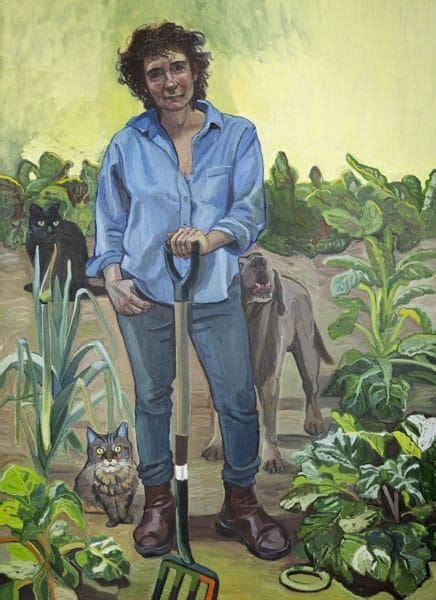
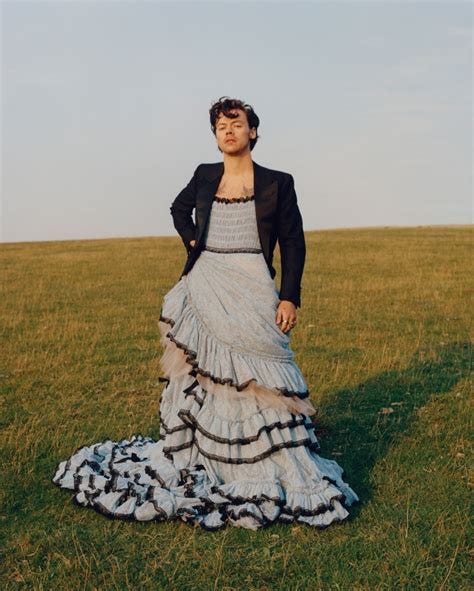
A half term outing with my stepson and his two boys to the brilliant reconfigured National Portrait Gallery. We were supposed to each choose three pictures and weave a story around them, but obviously you don’t really get there with a 10 and an 8. All the same, here are my three. The story will follow:
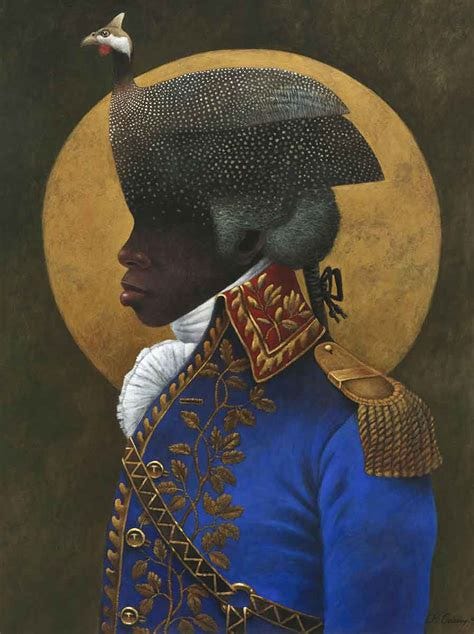
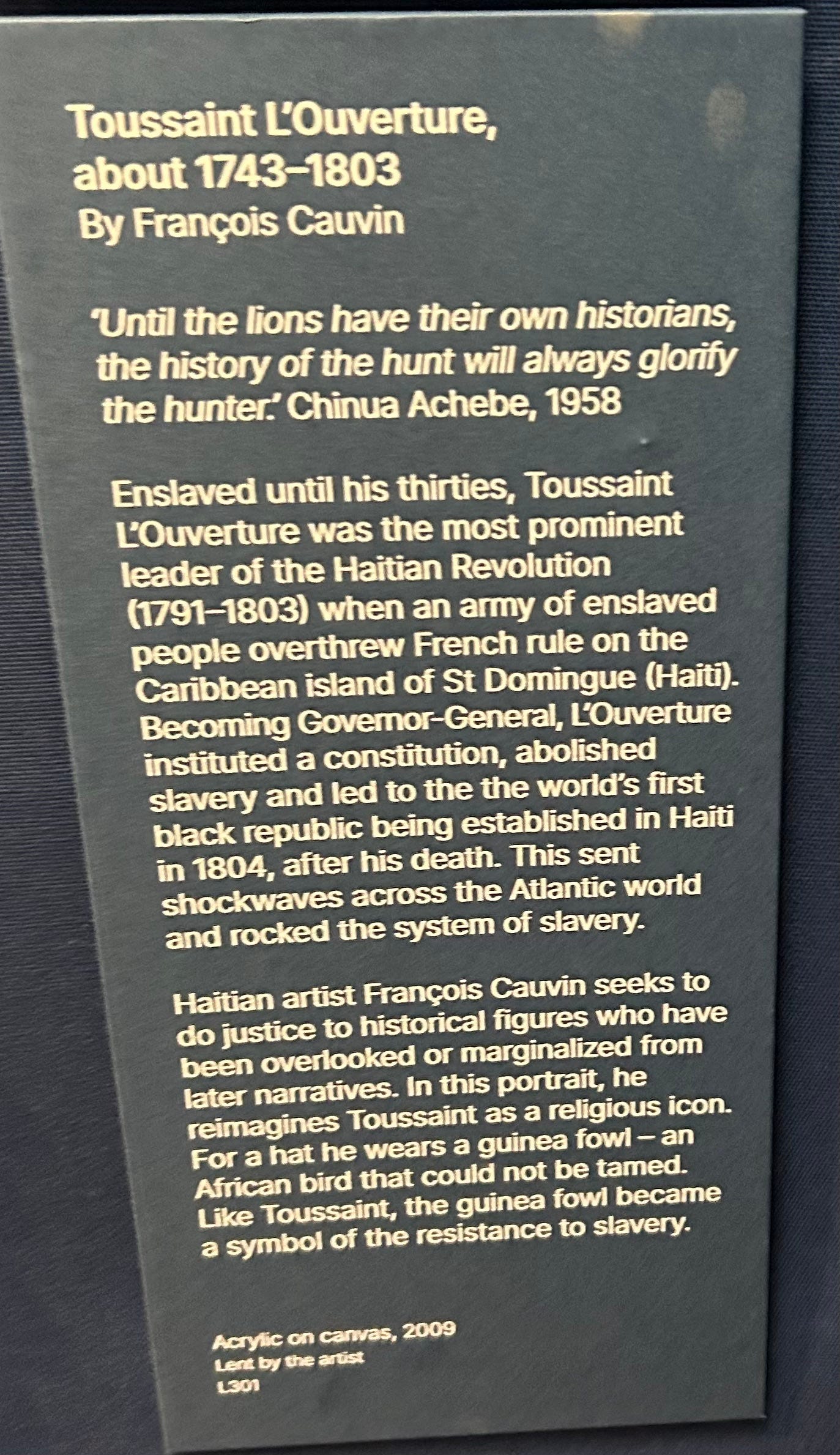
And…the opening day of the Tracey Emin A Second Life at Tate Modern. I felt a kind of sob as I went round. I will write more another time as I will go back.
We did also pop into Nigerian Modernism, which was striking and also worth returning to. My lasting image from this, both for name and for beautiful carpentry is El Anatsui, Earth-Moon Connections. Chisels, a chain saw and fire, with a chain saw as a metaphor for the violence of slavery. Goes well with Sinners from last month I would say.